
February & August 2027 Intake
Your Future Starts Here
Enrollment is now in progress. All MUAST degree programmes are accredited by the Zimbabwe Council for Higher Education (ZIMCHE).
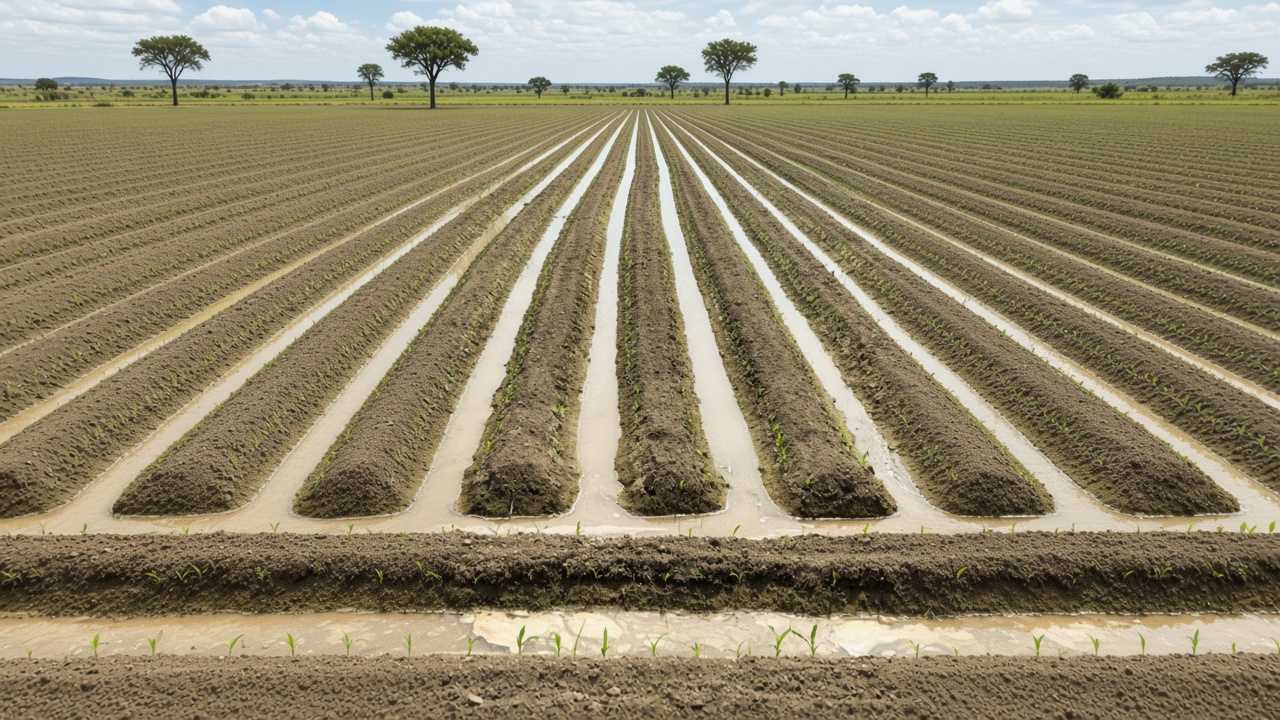
Policy Brief — August 2026
“Godzilla” El Niño on Its Way?
Implications for Southern Africa — forecasts point to a strong El Niño in late 2026 into 2027, with below-average rainfall expected across much of Zimbabwe.

Friends of Marondera University
Be a Champion of Our Mission
Pledge or donate to advance agricultural science and technology in Zimbabwe. +263 778 354 101 · rchibanda@muast.ac.zw · pir@muast.ac.zw

Work Study Programme
Earn While You Learn
Eligible students can be employed by the university during the semester or vacation, supplementing their fees while gaining experience.

Join MUAST
An Agricultural Mandate
The only university in Zimbabwe with a dedicated Agricultural Science and Technology mandate — building tomorrow’s food security today.

Innovation
Cutting-Edge Solutions, Rooted in Africa
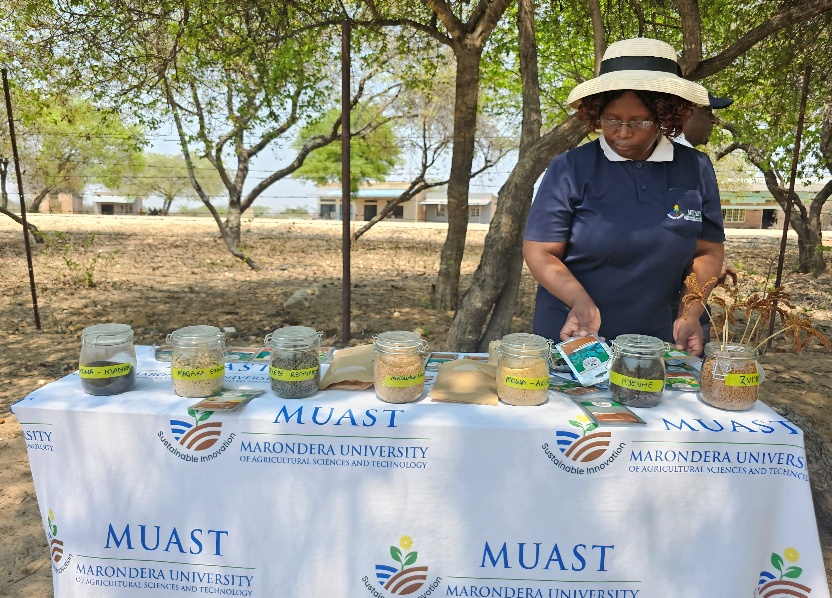
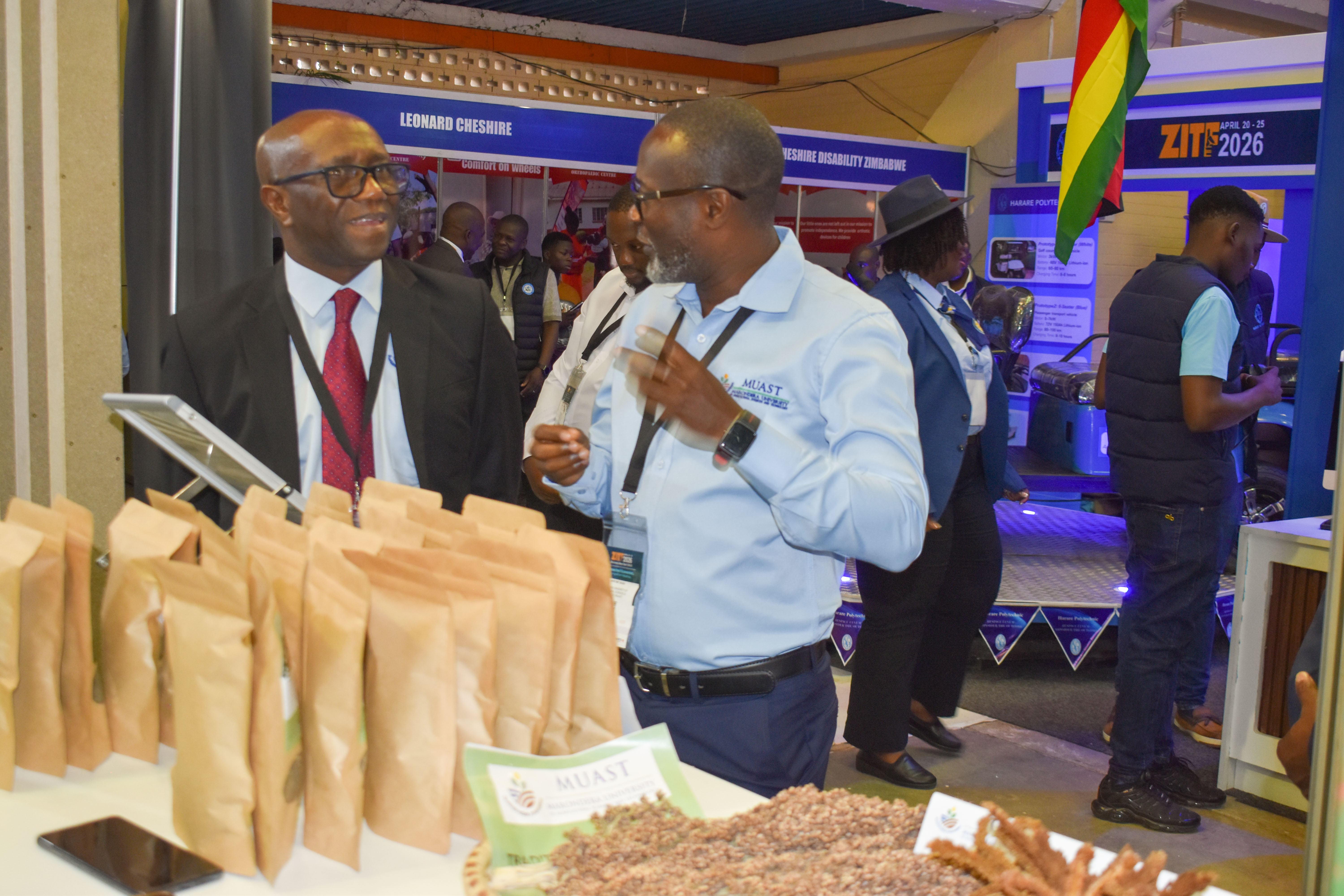
Discovering cutting-edge solutions through value addition to African indigenous produce.

Our Campus
State-of-the-Art Infrastructure
Building a better future through state-of-the-art facilities and a vibrant campus environment.

Community Impact
Empowering Communities Through Education 5.0
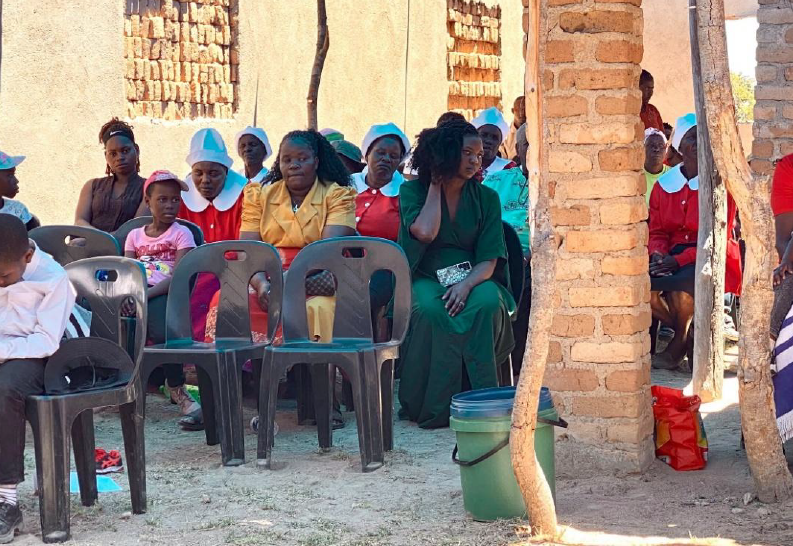
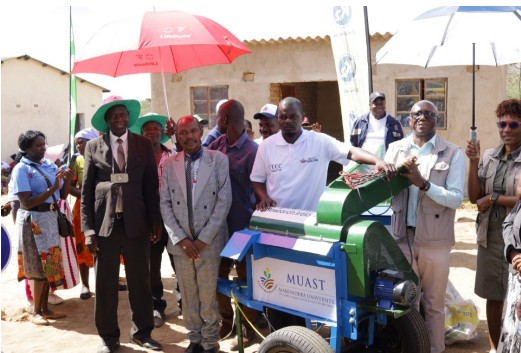
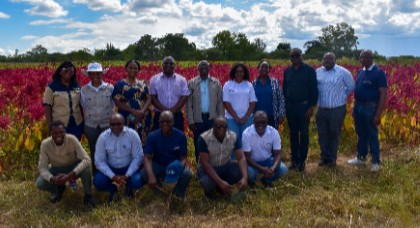
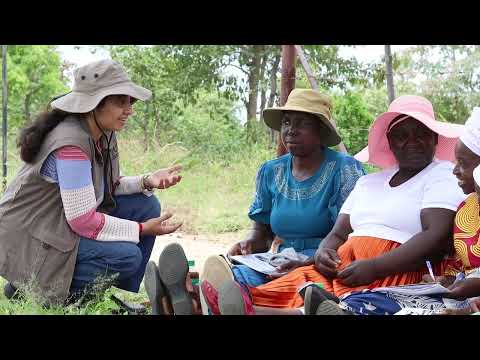
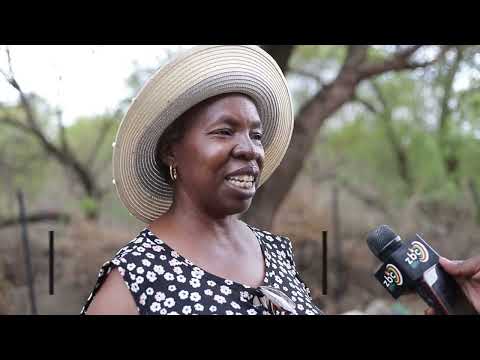
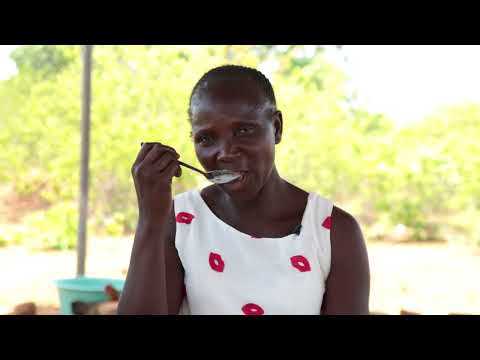
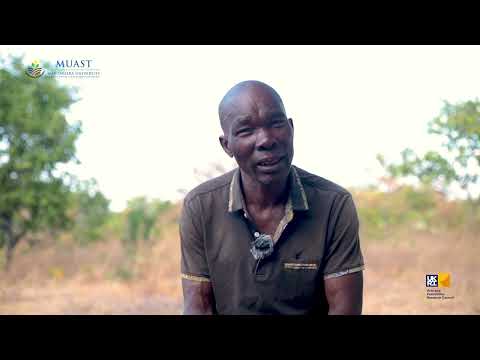
Heritage-based education powering sustainable communities — the Muchekeranwa Irrigation Scheme story.



























 WhatsApp Channel